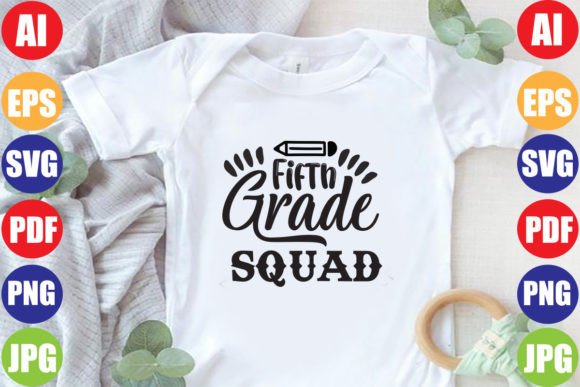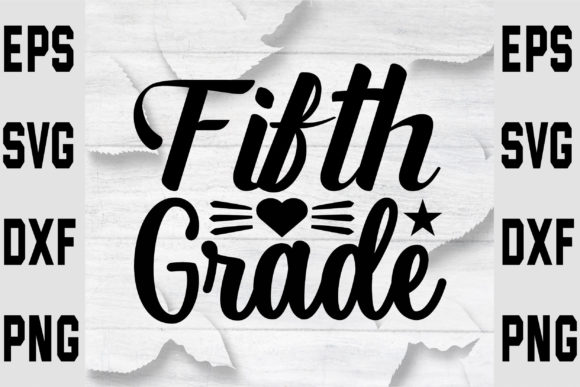
Fifth Grade Graphics for Crafts
As a graphic designer who has spent the better part of two decades refining brand identities and preparing files for print-on-demand services, I have learned to be skeptical of trendy assets. We often encounter graphic design assets that look promising in a thumbnail but fall apart when scaled up or placed against complex backgrounds. However, my recent review of Fifth Grade changed my perspective on how versatile a themed SVG design can be when applied with intention. This is not just another clipart file; it is a strategic tool for designers working within the Crafts and education niches.
The first impression of Fifth Grade is one of nostalgic warmth mixed with modern cleanliness. The visual elements feel balanced, avoiding the clutter that often plagues school-themed illustrations. For a designer, this clarity is crucial. It represents a style that bridges the gap between playful creativity and professional polish. When I imagine a client project—perhaps a local boutique launching a back-to-school collection or an Etsy seller expanding their holiday lineup—this asset immediately suggests a mood of approachable sophistication. It fits naturally into projects targeting parents, teachers, and students who value both fun and quality.
Integrating Fifth Grade into Real Client Projects
In a real-world scenario, I recently consulted for a small business owner looking to refresh their seasonal merchandise line. The challenge was to create designs that felt fresh yet familiar. Fifth Grade became the cornerstone of this campaign. Because this digital product is available in both black and color variations, it offered immediate flexibility. The black version allowed for crisp, high-contrast applications on light-colored textiles, while the color variant provided a ready-made palette for more vibrant marketing materials.
We utilized the asset across a wide range of mediums. For t-shirt design, the clean lines of the SVG ensured that the cut files for Cricut machines were smooth and free of unnecessary nodes, which is a common pain point with lower-quality clipart. On mugs and tote bags, the design held its integrity even when wrapped around curved surfaces in our product mockup reviews. The versatility extends beyond physical goods. For the client’s social media strategy, we adapted the illustration into social media graphics for Instagram and Pinterest. The visual weight of the design was perfect for creating eye-catching pins that drove traffic to their online store.
Strategic Placement and Visual Hierarchy
Understanding where to place Fifth Grade is key to maximizing its impact. In my experience, this asset performs exceptionally well in large layout areas where it can serve as a hero graphic. When used in packaging design, such as on gift tags or box lids, it acts as a focal point that draws the eye without overwhelming the brand name. It also works beautifully as a decorative accent in themed collections, helping to tie together a series of related products.
However, designers must exercise caution. While the design is robust, it should be used carefully in small sizes. If shrunk down too much for intricate sticker design or tiny labels, the finer details may lose definition. I also advise against placing it on crowded layouts or low-contrast backgrounds. For instance, using the color variation on a busy patterned fabric can reduce readability and diminish the professional look of the final piece. In minimalist branding or corporate materials, the playful nature of the asset might clash with the desired tone, so it is best reserved for projects that embrace a creative, handmade aesthetic.
Technical Performance and Designer Notes
From a technical standpoint, Fifth Grade holds up well under scrutiny. Before approving any asset for a client, I run a series of tests. First, I check the file formats. The availability of SVG files is a significant advantage for those using cutting machines like Cricut or Silhouette, ensuring scalability without pixelation. For sublimation printing, the PNG versions with transparent backgrounds are essential. I inspected the transparency edges and found them clean, with no stray pixels that could ruin a print job.
I also tested the design against various typography styles. Pairing Fifth Grade with a bold sans serif font created a modern, energetic look suitable for sports teams or active wear. Conversely, combining it with a handwritten font added a personal, heartfelt touch ideal for greeting cards and invitations. When used with a classic serif font, the design took on a more traditional, editorial feel, proving its adaptability across different brand identity systems.
Contrast testing revealed that the black variation offers superior readability on dark garments, while the color version pops brilliantly on white or pastel backgrounds. For designers creating Canva templates for resale, this dual-variation feature is a selling point, allowing end-users to choose the best option for their specific needs. It is important to note that while the design is robust, always preview it at actual size. What looks good on a screen may behave differently when printed on textured paper or fabric.
Commercial Viability and Brand Consistency
For print-on-demand sellers and small business branding experts, the commercial license aspect is non-negotiable. Fifth Grade supports commercial use, which makes it a viable component of revenue-generating products. Whether you are creating Etsy products like printable wall art or designing marketing visuals for a local school event, knowing the licensing is clear provides peace of mind.
The asset contributes positively to brand consistency when used within a defined style guide. It enhances emotional appeal by tapping into the nostalgia and excitement associated with school milestones. This emotional connection drives audience engagement, making it more than just a pretty picture—it becomes a tool for communication. In editorial design or blog visuals, it breaks up text and adds visual interest, keeping readers engaged.
Ultimately, Fifth Grade is a strong addition to any designer’s library of design assets. It avoids the generic feel of mass-market graphics by offering a thoughtful balance of whimsy and structure. For those in the Creative marketplace, having access to such a flexible design bundle element can streamline the workflow for seasonal campaigns. It is particularly effective for the holiday season, as noted in its description, but its utility extends year-round for educational and family-oriented brands.
In conclusion, if you are a designer, marketer, or craft entrepreneur looking for a reliable, high-quality illustration that performs well across digital and physical mediums, Fifth Grade is worth considering. It respects the principles of good design—clarity, balance, and versatility—while delivering the creative flair needed to stand out in a crowded market. Just remember to test your contrasts, respect the scale, and leverage the vector capabilities to ensure your final output is as professional as your intent.