Nacho House: A Designer’s Review for Embroidery Projects
As a designer who has spent countless hours digitizing patterns and testing them on various fabrics, I approach every new machine embroidery design with a critical eye. It is not just about whether the image looks cute on a screen; it is about how it translates to thread, how it holds up under the needle, and ultimately, how it performs in a real-world embroidery project. Recently, I evaluated Nacho House, a playful graphic that initially caught my attention for its whimsical charm. While the product description highlights its versatility for printing on t-shirts, mugs, and cushions, my focus was strictly on its potential for stitched applications. Here is my practical assessment of how this design fits into the workflow of serious crafters, Etsy sellers, and handmade shop owners.
First Impressions and Visual Personality
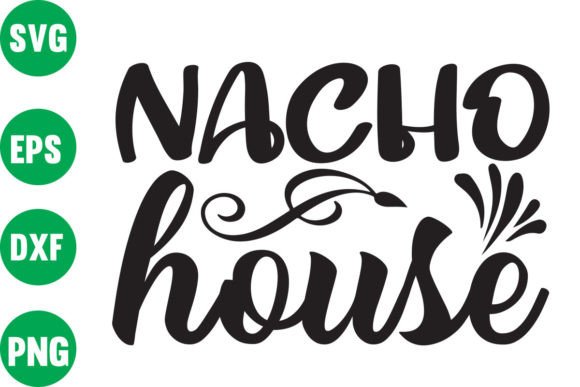
The first thing that strikes you about Nacho House is its bold, simplified geometry. In the world of Graphics and digital assets, complexity can often be a hindrance rather than a help when moving from vector to stitch. This design appears to embrace a clean, iconic aesthetic. For an embroidery designer, this is a promising start. Complex gradients and tiny details often get lost in translation, resulting in messy stitching or excessive thread breaks. Nacho House, with its clear shapes and likely limited color palette, suggests a design that prioritizes clarity. The mood is lighthearted and fun, making it an immediate candidate for casual wear, kitchen decor, or novelty gifts. It does not try to be overly realistic, which is a smart move for an applique design or a standard fill-stitch pattern intended for quick production.
Real-World Application: The Custom Tote Bag Test
To truly understand the value of a design, I mentally place it on a specific product. Imagine a customer ordering a custom tote bag design for a local food festival or a quirky housewarming gift. Nacho House fits this scenario perfectly. The subject matter lends itself naturally to cotton canvas or heavy-duty linen, fabrics that provide a stable base for stitching. When visualizing the finished product, I see this design working well as a central focal point on a natural-colored bag. The contrast between vibrant thread colors—likely yellows, oranges, and greens—and the neutral fabric would create high visual impact. For a small shop product, this kind of immediate recognizability is crucial. It stops the scroll on social media and invites engagement. However, because the source file is an SVG intended for cutting machines like Cricut or Silhouette, one must consider the adaptation process. If you are digitizing this yourself for embroidery, the clean lines of the SVG make for an excellent template to trace and convert into stitch types, ensuring that the original artistic intent is preserved.
Apparel and Personalized Gifts
Beyond tote bags, Nacho House has strong potential in the realm of custom apparel. Think about a unisex sweatshirt or a structured cap. For sweatshirt embroidery, the design’s likely bold outlines would stand out well against fleece or cotton blends. However, caution is needed regarding stitch density. If the design is converted with too many fill stitches in a small area, it can cause the fabric to pucker, especially on softer materials. A skilled digitizer would balance this by using satin stitch borders for definition and lighter fill patterns for larger areas. For baby embroidery projects, such as a onesie or a burp cloth, the simplicity of the design is again an asset. Babies require durable, soft finishes, so ensuring that the back of the embroidery is clean and free of excessive jump stitches is vital. This design could easily become a favorite for parents looking for a personalized gift that is both unique and durable.
Technical Considerations for Stitchers
While the aesthetic appeal is strong, the technical execution requires careful planning. Since the product provided is an SVG file, it is primarily a vector graphic for cutting. To use it for embroidery, you must either find a pre-digitized version or convert it using embroidery software. If you are converting it yourself, pay close attention to the hoop size. Ensure the design fits comfortably within your standard hoops, such as 4x4 or 5x7 inches, without needing excessive resizing that might distort the proportions. Small details, if any exist in the original graphic, may need to be simplified or removed to prevent thread bunching.
Another critical factor is fabric choice. Nacho House would look fantastic on a sturdy embroidered patch made from twill or denim. These fabrics can handle higher stitch densities without distortion. However, if you attempt to stitch this on a thin, stretchy fabric like jersey knit without proper stabilization, the result may be disappointing. Always use a appropriate stabilizer—cut-away for stretchy fabrics and tear-away for woven ones—to maintain the integrity of the design. Additionally, consider the thread colors you select. High-contrast combinations will make the design pop, while monochromatic schemes might obscure the details. Testing the design on scrap fabric before committing to the final handmade product is non-negotiable for professional results.
Commercial Viability and Brand Consistency
For commercial embroidery professionals and craft business owners, consistency is key. Nacho House offers a distinct visual personality that can help build brand recognition if used as part of a themed collection. Imagine a series of food-themed kitchen towels or aprons; this design could serve as a flagship item. Its playful nature appeals to a broad demographic, from young adults to families. When creating printable mockup images for your online store, ensure that the digital representation matches the stitched reality. Misleading previews can lead to customer dissatisfaction. By presenting accurate photos of the stitched design on various items like pillow covers or tea towels, you build trust and reduce return rates.
It is also important to verify licensing terms. Since the original file is marketed for crafting and printing, confirm whether the digitized embroidery version allows for commercial sales of finished items. Many designers offer different licenses for personal versus commercial use. Respecting intellectual property rights is essential for maintaining a reputable small shop product line. If you are selling the digital embroidery file itself, ensure you have the rights to distribute the digitized version, not just the original SVG.
Final Verdict for Makers
In conclusion, Nacho House is a charming addition to any designer’s library of design assets. Its strength lies in its simplicity and thematic versatility. While it originates as a cut file, its structural clarity makes it an excellent candidate for embroidery conversion. Whether you are creating holiday embroidery gifts, stocking your Etsy shop with unique apparel, or making personalized items for friends, this design offers a solid foundation. Just remember to respect the technical limitations of your machine and fabric. Test your tension, choose your stabilizer wisely, and let the playful spirit of the design shine through your craftsmanship. With careful execution, Nacho House can elevate your Crafts portfolio and delight your customers with its whimsical appeal.