Class of 2022: A Designer’s Take on Graduation Embroidery
As an embroidery designer who spends more time staring at stitch maps than I do sleeping, I have learned to look past the flashy preview images. When a new file lands on my desk, I am not just looking for cute aesthetics; I am looking for structural integrity, stitch logic, and commercial viability. Recently, I evaluated Class of 2022, a design marketed broadly as a teacher SVG and cut file illustration. While the product description highlights its versatility for scrap posters, greeting cards, and banners, my interest lies in how this graphic translates into thread. Can a digital asset designed primarily for cutting machines hold up under the needle? Let’s dive into the practical realities of using this design for real-world embroidery projects.
First Impressions: Mood and Visual Personality
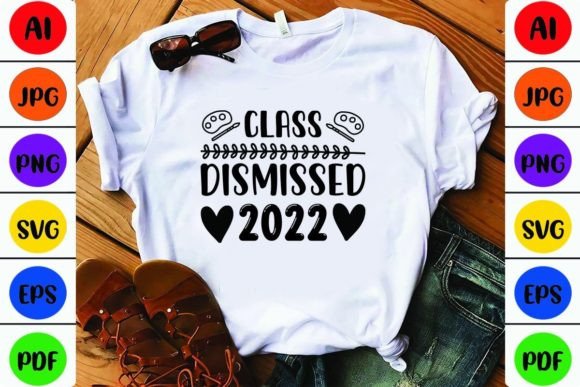
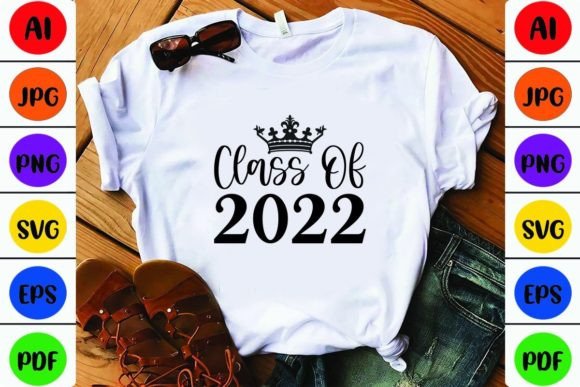
The immediate impression of Class of 2022 is one of celebratory nostalgia. The typography and layout suggest a classic academic milestone, carrying a weight that feels appropriate for graduates, teachers, and proud parents alike. Visually, the design leans toward a clean, illustrative style. For those of us working in Crafts and Graphics, this clarity is essential. A muddy or overly complex design often fails when scaled down, but the distinct lines here suggest it could work well for various applications.
The mood is universally positive, making it a safe yet impactful choice for personalized gifts. It does not scream for attention with chaotic details; instead, it offers a balanced composition that allows the texture of the thread to shine. This visual personality makes it a strong candidate for items where readability is key, such as tote bags or sweatshirts, where the viewer might be standing several feet away.
Real-World Application: From Digital File to Stitched Product
To truly test the value of any digital embroidery file, you must imagine it on actual fabric. I envisioned this design on a heavy-weight cotton tote bag, a popular item for graduation season. The bold nature of the "Class of 2022" text would likely require a solid fill stitch to ensure opacity against the canvas texture. If the original file is an SVG intended for cutting, converting it for embroidery requires careful attention to stitch density. Too dense, and the fabric puckers; too sparse, and the backing shows through.
Consider also its use in custom apparel. A left-chest placement on a polo shirt or a centered design on a hoodie creates a professional look for school staff or graduating students. For baby embroidery or kids' clothing, scaling becomes critical. The design must remain legible without becoming a stiff, cardboard-like patch on soft fabric. In these scenarios, the simplicity of the graphic works in its favor, allowing for cleaner satin stitches on borders and manageable fill areas.
Versatility Across Product Lines
The product description mentions suitability for men, women, kids, and babies. From a production standpoint, this versatility is a double-edged sword. While the theme is universal, the execution must vary. For a sweatshirt embroidery project, you can afford heavier stitching and larger hoop sizes. However, for delicate items like baby onesies, you must reduce the stitch count significantly. An embroidered patch created from this design could be a fantastic add-on product for craft fairs, allowing customers to iron or sew it onto existing garments, thereby expanding your market reach without creating entirely new inventory.
Technical Considerations and Potential Pitfalls
Here is where the experienced eye must intervene. Since this is described as a "Teacher Svg Design Cut File," it is crucial to verify if it comes with native embroidery formats (such as PES, DST, or EXP) or if you are digitizing it yourself from the vector. If you are digitizing from an SVG, pay close attention to corner sharpness. Sharp angles in vector graphics often translate poorly to thread unless properly compensated with underlay stitches and tie-offs.
Stitch density is another major factor. Graduation designs often feature bold lettering. If the fill stitch is too dense on a stretchy fabric like a t-shirt, the garment will warp. Always use a proper stabilizer—cut-away for knits and tear-away for woven fabrics. Additionally, consider the hoop size. Ensure the design fits comfortably within your standard hoops (4x4 or 5x7) to minimize re-hooping errors, which can ruin the alignment of the year "2022."
Fabric and Thread Challenges
Testing on dark fabric requires special attention. If the design relies on fine details, they may get lost on black or navy blue materials. In such cases, using a lighter thread color for the outline or adding a subtle satin border can help the design pop. Conversely, on textured fabrics like towels or blankets, the intricate parts of the design might sink into the pile. For these holiday embroidery or gift items, increasing the stitch length slightly can help the thread sit on top of the texture rather than disappearing into it.
Commercial Value and Brand Consistency
For the Etsy seller or small shop owner, the appeal of Class of 2022 lies in its timeliness and emotional resonance. Graduation is a high-spending event for families. A well-executed handmade product featuring this design can command a higher price point because it serves as a keepsake. However, customer trust is built on consistency. If the stitching looks messy or the design pulls unevenly, it reflects poorly on your brand.
Using this design in commercial embroidery projects requires a clear understanding of licensing. The description notes it is good for clothes and instant download, but you must confirm whether the license permits the sale of finished physical goods. Many digital assets allow personal use but restrict commercial sales. Always read the terms carefully to protect your business. Furthermore, creating high-quality printable mockups or digital previews showing the design stitched out can significantly boost buyer engagement compared to flat vector images.
Practical Designer Notes for Best Results
Before running this design on a client’s expensive garment, follow these steps:
- Test on Scrap Fabric: Always stitch a sample on the same material and weight you plan to use for the final product. This reveals issues with tension and density.
- Check Thread Contrast: View your design in black and white. If the elements blend together, adjust your thread colors to ensure distinct separation between the text and any decorative elements.
- Inspect Small Details: Zoom in on the digitized file. Look for stray stitches or unnecessary jumps that could cause thread breaks or bird nests.
- Verify Licensing: Confirm if the design assets allow for commercial use of finished items. This is critical for avoiding legal issues down the line.
- Compare Backgrounds: Test the design on both light and dark fabrics to determine if you need different color palettes for optimal visibility.
Final Verdict
Class of 2022 offers a solid foundation for graduation-themed projects. Its strength lies in its recognizable theme and adaptable layout. However, its success depends entirely on the technical execution. Whether you are creating a tote bag design for a teacher appreciation gift or a batch of caps for a graduation party, take the time to refine the stitch settings. By treating this graphic not just as a cut file but as a potential embroidery masterpiece, you can elevate a simple digital download into a cherished finished product. For the mindful maker, this design is a worthwhile addition to your library, provided you respect the nuances of thread, fabric, and machine capability.