I Teach Tiny Humans SVG: A Designer’s Review
As someone who has spent years digitizing and testing embroidery files for both personal passion projects and commercial clients, I approach every new machine embroidery design with a critical eye. It is not just about whether the image looks cute on a screen; it is about how those vectors translate into thread, tension, and texture on actual fabric. Recently, I evaluated the I Teach Tiny Humans, SVG file to determine its viability for real-world applications. This is not a generic overview, but a practical assessment of how this specific graphic performs when moved from digital asset to stitched reality.
First Impressions and Visual Personality
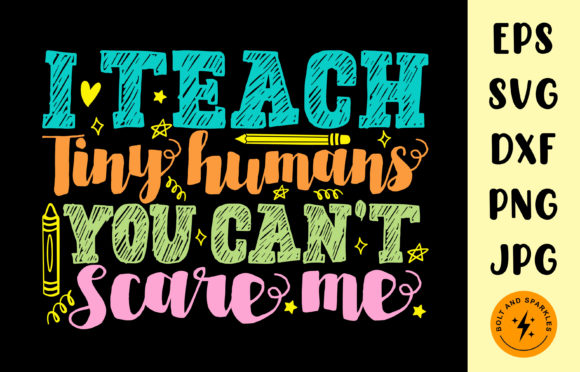
The phrase "I teach tiny humans, you can't scare me" carries a specific weight in the education community. It is humorous, resilient, and deeply relatable. Visually, the design relies heavily on typography rather than complex illustrative elements. For an embroidery designer, this is often a double-edged sword. Text-heavy designs require precise kerning and clean node placement to ensure legibility once the needle hits the fabric. My initial inspection of the SVG and EPS files revealed clean paths, which is a promising start. The mood is playful yet bold, making it an ideal candidate for items that need to make a statement without being overly ornate.
When considering the Crafts and Graphics categories, this design sits comfortably at the intersection of digital crafting and traditional needlework. The high-resolution PNG included allows for excellent printable mockups, which is crucial for Etsy sellers and small shop product creators who need to visualize the final look before committing to production.
Real-World Application: The Teacher’s Tote and Sweatshirt
To truly test the utility of this design, I imagined two common scenarios: a sturdy canvas tote bag for carrying lesson plans and a cozy fleece sweatshirt for chilly classroom mornings. For the tote bag design, the bold lettering of I Teach Tiny Humans, SVG works exceptionally well. Canvas has a tight weave that supports standard stitch densities without excessive sinking. The design’s layout is horizontal, which fits naturally across the center or lower third of a tote, creating a balanced finished product that feels professional rather than amateurish.
For sweatshirt embroidery, the context changes. Fleece and cotton blends are thicker and have more nap. Here, the simplicity of the design is an asset. Complex, dense fills can cause puckering on soft knits, but a design that likely utilizes a combination of satins stitch for outlines and manageable fill areas for any graphical accents will sit flatter. I envision this working beautifully on the left chest or as a larger back print, provided the hoop size is adequate to capture the full width of the phrase without resizing it to the point of illegibility.
Technical Considerations for Stitching
While the vector files (SVG, EPS, DXF) are versatile for cutting machines and digital printers, using them for embroidery requires careful preparation. If you are converting these vectors into a stitch file yourself, pay close attention to stitch density. Text elements, particularly the thinner strokes in "tiny humans," can become fragile if under-digitized or bulky if over-filled. I recommend using a light fill stitch or even a triple running stitch for smaller text elements to maintain clarity and reduce thread bulk.
If you are purchasing a pre-digitized version of this design, always check the recommended hoop size. A design of this nature typically requires at least a 5x7 inch hoop to maintain proper proportions. Attempting to shrink it into a 4x4 hoop might compromise the readability of the comma and the spacing between words. Additionally, consider your stabilizer choice. For stretchy fabrics like t-shirts, a cut-away stabilizer is non-negotiable to prevent distortion after washing. For woven fabrics like aprons or pillow covers, a tear-away may suffice, but testing on scrap fabric is essential.
Navigating Fabric and Color Challenges
One of the strengths of this design is its adaptability to various thread colors. However, contrast is key. On dark navy or black teacher apparel, using white or bright yellow thread will make the message pop. On lighter fabrics, such as a cream-colored baby embroidery item or a pastel tote, darker threads like charcoal or navy provide necessary definition. Be cautious with textured fabrics like linen or heavy denim. The irregular surface can hide fine details, so ensure your digitizing accounts for potential pull compensation.
Curved surfaces, such as caps, present another challenge. The horizontal layout of I Teach Tiny Humans, SVG may require slight arching or careful hooping techniques to prevent wrapping around the curve of a hat brim. If you are creating an embroidered patch to be ironed or sewn onto garments later, this design is ideal. Patches allow you to control the background fabric and stabilizer completely, ensuring a crisp, high-quality result that can be applied to various custom apparel items later.
Commercial Viability and Brand Consistency
For commercial embroidery professionals and craft business owners, this design offers strong market appeal. Teacher appreciation gifts are a year-round niche, peaking during back-to-school seasons and holidays. The humor in the phrase builds an emotional connection, increasing the perceived value of the handmade product. It transforms a simple item into a personalized gift that speaks directly to the recipient’s identity.
However, professionalism matters. Ensure that your stitching is clean, with no loose threads or jumps visible on the front. The clarity of the digital embroidery file source means you have no excuse for pixelated edges if you are printing transfers, but for embroidery, your technique defines the quality. Consistent use of this design across a line of products—such as matching mugs (via sublimation using the PNG) and embroidered aprons—can strengthen brand consistency for boutique sellers.
Practical Designer Notes
Before launching this design into your production queue, consider these final checks:
- Test on Scraps: Always stitch out a test on the exact fabric type you intend to use. Check for puckering and registration issues.
- Verify Licensing: The product description lists file types but does not explicitly state commercial usage rights for the digitized embroidery file. Confirm whether the license covers finished physical goods or if additional fees apply for mass production.
- Check Small Details: Zoom in on the apostrophe and comma. These tiny elements are prone to breaking or getting lost in thick thread. You may need to manually adjust tie-ins and tie-offs in your digitizing software.
- Mockup Variations: Use the included high-resolution PNG to create mockups on both light and dark backgrounds. This helps customers visualize the product and reduces return rates due to expectation mismatches.
- Wash Testing: Wash and dry your test piece to ensure the thread colorfastness and that the design holds up to frequent laundering, which is common for teacher apparel.
In conclusion, I Teach Tiny Humans, SVG is a robust, versatile asset for designers and makers. Its strength lies in its clear messaging and adaptable layout. By respecting the technical requirements of embroidery—choosing the right stabilizer, thread, and fabric—you can transform this digital graphic into a cherished, high-quality textile product that resonates with educators everywhere.